
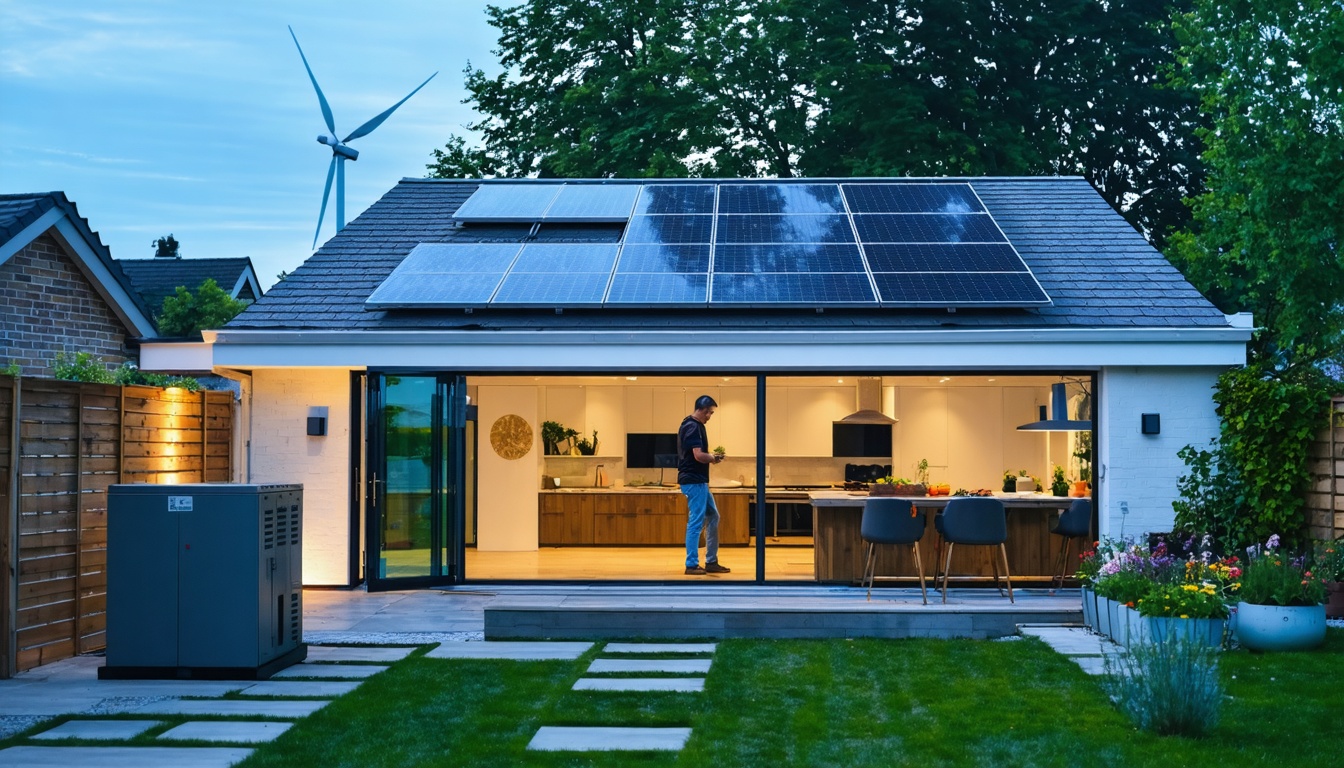
What a More Resilient Home Energy Plan Looks Like in Stamford, Connecticut
To enhance the resilience of your home energy plan in Stamford, it is crucial to evaluate your current energy usage and management practices. A comprehensive approach extends beyond simply installing solar panels or utilizing energy-efficient appliances; it encompasses the integration of sustainable practices and advanced technologies into daily routines. As utility costs continue to increase and weather-related disruptions become more frequent, there are various resources and incentives available that can fundamentally alter how you approach energy consumption. For instance, Stamford residents may access local utility programs aimed at promoting energy efficiency and renewable energy generation. Additionally, smart home technologies can facilitate better energy management by optimizing usage patterns and enhancing overall efficiency. Before implementing any changes, it's advisable to conduct a thorough assessment of your home’s energy performance. This may include an energy audit to identify areas for improvement and to determine the most suitable upgrades or renovations based on your specific circumstances. Furthermore, staying informed about local regulations, incentives, and available resources is essential to maximizing the benefits of any energy transition.
Energy Audits and Home Assessment Services
Assessing energy waste in a home can be a multifaceted endeavor. In Stamford, the Home Energy Solutions (HES) program provides a systematic in-home assessment carried out by certified technicians aimed at identifying areas where energy is being lost. This evaluation culminates in a customized action plan tailored to the unique characteristics of the home.
Participants in the program receive a Home Energy Score that serves as a measurable indicator of the home's energy efficiency. This score helps homeowners comprehend various aspects related to home comfort, potential for sustainable upgrades, and targeted projects designed to minimize energy expenses.
In addition to the assessment and scoring, HES facilitates connections to a variety of financial resources. This includes options such as green financing, 0% interest loans, and rebate programs. There may also be grant opportunities available depending on specific circumstances.
The program provides clients with information on clean energy initiatives, efficient transportation methods, electric vehicle (EV) charging infrastructure, and offers relevant municipal program details.
Individuals interested in the program can obtain further information through the designated contact channels or by reviewing the associated Privacy Policy for these services.
Maximizing Rebates and Incentives for Homeowners
Homeowners in Stamford have access to a range of rebates and incentives aimed at enhancing home improvement budgets, particularly for energy efficiency upgrades, including renewable energy solutions such as solar panels. For those interested, a Solar Installer in Stamford, CT can provide expert assistance. Energize CT provides insulation rebates of up to $2.00 per square foot, alongside $100 for each triple-pane window installed.
Additionally, homeowners may qualify for 0% interest loans through the Home Energy Solutions program, which allows them to undertake energy upgrades without significant interest costs.
Current participation rates indicate that only about 3% of eligible households have utilized these available incentives, revealing a considerable opportunity for homeowners who take initiative. Home Comfort Practice is one organization that assists clients with navigating the rebate application process to help them maximize available benefits.
Beyond the initial incentives mentioned, homeowners can also investigate programs related to clean building projects, capital improvements, and installations of electric vehicle (EV) charging stations.
Municipal resources, along with various green financing options, are available to support homeowners interested in utilizing these incentives to enhance their properties.
Insulation, Air Sealing, and Weatherization Solutions
A well-insulated and weatherized home plays a critical role in promoting energy efficiency in Stamford. Implementing measures such as blown-in cellulose or spray foam insulation can minimize energy loss, which may result in lower energy costs over time.
Additionally, effective air sealing techniques, as promoted by the Home Energy Solutions program, can improve indoor comfort levels while enabling the development of more sustainable living environments.
Residents of Stamford have the option to request energy audits that evaluate their specific insulation and air sealing needs. These audits can often qualify for rebates that may cover up to 100% of associated costs, thereby making the adoption of energy efficiency measures more attainable for homeowners.
Furthermore, there are resources available, including customer information services, municipal support, and local economic development initiatives that assist in facilitating these improvements.
For optimal outcomes in enhancing energy efficiency, it is essential for residents to thoroughly investigate the available resources.
Specifically, for details regarding capital grants and loans that could aid in financing these upgrades, interested individuals should seek out further information and guidance.
Financing Options for Energy Efficiency Upgrades
When considering financing options for energy efficiency upgrades in Stamford homes, several alternatives are available that aim to reduce upfront costs and facilitate the improvement process. Local banks and municipal programs provide a variety of loans, such as the Home Energy Solutions (HES) Payment Plan, which offers 0% interest financing, and the Energy Conservation Loan tailored for larger-scale projects.
Furthermore, the Smart E-Bundle Loan is available for financing clean energy upgrades, capital improvements, and the installation of electric vehicle (EV) chargers.
In addition to loan options, Energize CT offers significant rebates that can help homeowners offset costs associated with high-quality insulation and window replacements, both of which contribute to overall energy conservation.
To fully understand these financing opportunities, it is recommended that homeowners seek detailed information on available grants, engage with customer service for specific inquiries, or examine resources related to economic development and privacy policies. Utilizing these resources can assist homeowners in successfully navigating financing options in order to enhance their homes’ energy efficiency.
Community Engagement and Climate Resilience Initiatives
Stamford's strategy for community engagement and climate resilience is centered on direct outreach and structured programs aimed at increasing public involvement. This initiative invites residents to submit solutions and project proposals via the municipal Request for Information, targeting areas such as Clean Energy, building decarbonization, and flood resilience. The deadline for submissions is set for January 15, 2026.
To support these initiatives, the city has allocated a grant of $250,000 and established a partnership with the Connecticut Green Bank to encourage the development of sustainable energy projects. This includes investments in electric vehicle (EV) charging infrastructure and various green capital programs.
The Mayor’s Climate Council is integral to facilitating equitable participation among residents and guiding related economic development efforts.
Additionally, residents have access to information concerning available rebates, loans, and financing options aimed at lowering home energy costs. For further information, residents are directed to refer to the Resources section or contact municipal representatives through the Contact Us page.
Conclusion
Creating a resilient home energy plan can help households reduce energy costs while enhancing their preparedness for future uncertainties. In Stamford, Connecticut, residents can leverage various resources, incentives, and community support to implement practical upgrades that improve energy efficiency and reliability. Investing in energy efficiency measures, such as insulation improvements, energy-efficient appliances, and renewable energy sources like solar panels, can contribute to lower energy bills and a reduced carbon footprint. Additionally, these upgrades can increase the overall reliability of home energy systems, particularly in the face of extreme weather events associated with climate change. By taking these steps, homeowners not only enhance their own energy resilience but potentially benefit their neighbors as well by creating a more stable community energy network. This proactive approach can help residents better manage changing energy demands and adapt to future environmental challenges. Overall, prioritizing resilience in home energy planning can lead to greater security and sustainability for both households and the broader community.
Join Our Newsletter

© 2016 Rebuilding Together Omaha All Rights Reserved.
Site by Colby Shenkle Creative Media
Follow Us!